“Some people feel the rain. Others just get wet.”
(Bob Marley)
The Walk into the Future blog continues to lean into the concept of leadership and how it impacts organizational growth and staff professional development. I will get back to some travel and running articles shortly but please indulge my leadership focus over the past few months—thanks! 😊
Leaders often focus on strategy, performance metrics, and achieving results. While these elements are important, one of the most powerful leadership tools is often overlooked: gratitude.
Gratitude is more than saying “thank you.” It is a mindset that recognizes the value of others, appreciates contributions, and acknowledges that success is rarely achieved alone. Leaders who intentionally practice gratitude create stronger relationships, healthier workplace cultures, and more engaged teams.
Gratitude may be one of the most important leadership skills we can cultivate as we Walk into the Future. How does this work? Outstanding question, Jayla? 😊
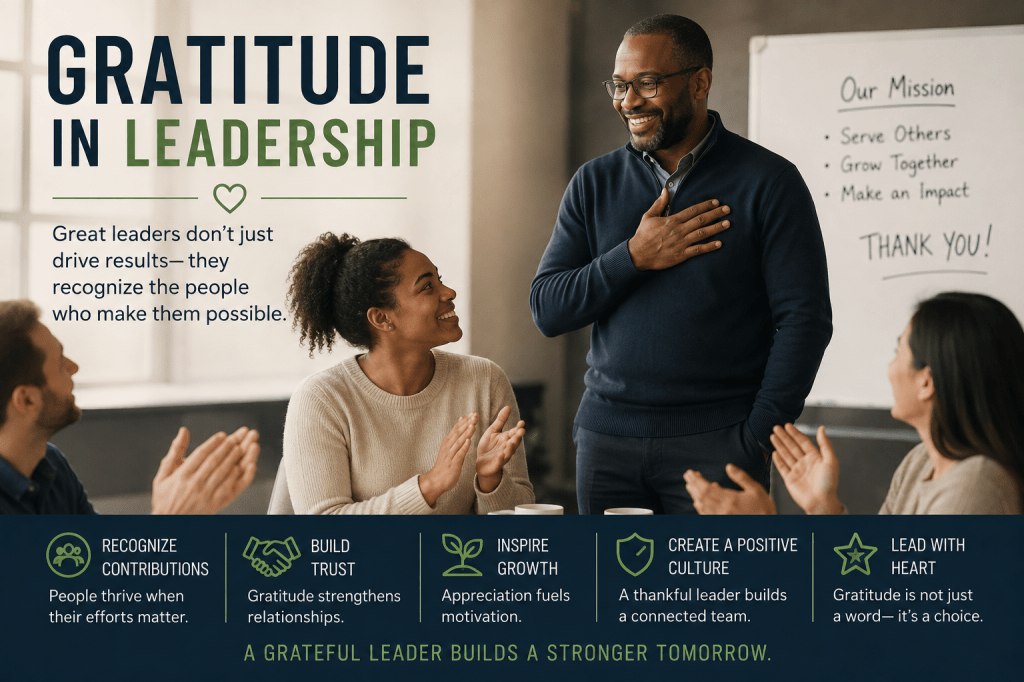
Leadership is fundamentally about people. No huge revelation, huh? Staff members want to feel seen, valued, and appreciated for their efforts. When leaders consistently express gratitude, they strengthen trust and deepen relationships with their team members.
Simple acts of appreciation can have a profound impact:
- Recognizing someone’s hard work during a meeting.
- Sending a handwritten note of thanks.
- Celebrating milestones and accomplishments.
- Acknowledging contributions that often go unnoticed.
Staff members are more likely to remain committed to leaders who genuinely appreciate them.
Workplace culture is created by what leaders consistently model and reinforce. A grateful leader sets a positive tone that often spreads throughout the organization. When gratitude in the workplace is present then team members are more likely to support each other, collaboration increases and workplace conflict decreases. Team members begin focusing less on what’s missing and more on what’s possible. This shift creates an environment where people are motivated to contribute their best work.
One of the most common reasons employees become disengaged is feeling unappreciated. People want to know that their efforts matter. A grateful leader understands recognition fuels staff motivation. When staff members receive sincere appreciation, they are more likely to take ownership of their work, remain committed during challenging times and contribute innovative ideas. Workplace engagement grows when your team believes their contributions make a difference.
Leadership comes with challenges, setbacks, and uncertainty. During difficult seasons, gratitude helps leaders maintain perspective. Rather than focusing solely on obstacles, grateful leaders recognize:
- Lessons learned from failures.
- Opportunities hidden within challenges.
- The support of colleagues and team members.
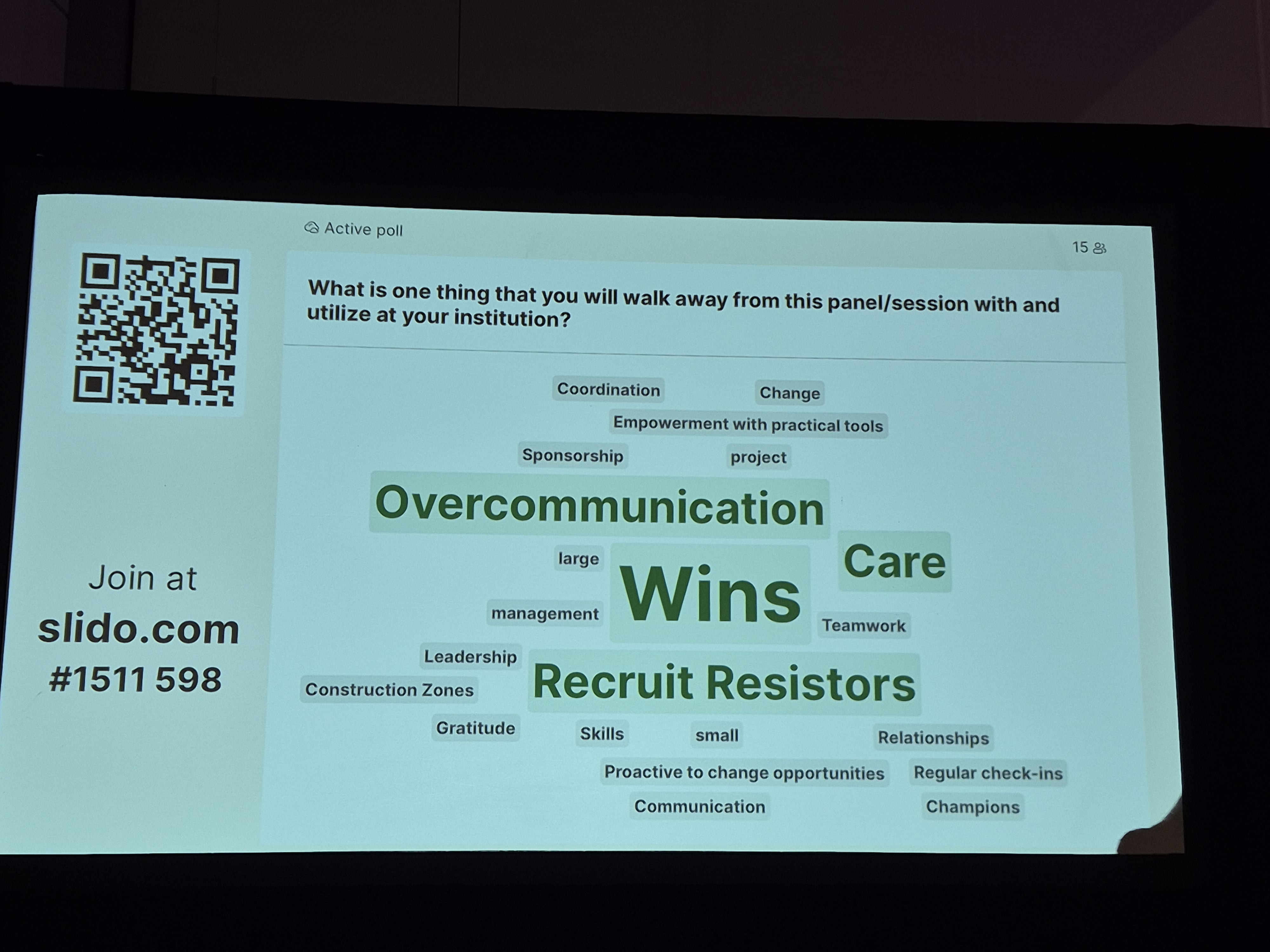
- Wins (fun fact: this is my 2026 word for my current work environment) 😊
Gratitude does not ignore difficulties—it helps leaders navigate them with optimism and resilience.
Authentic leaders understand that leadership is not about personal recognition; it is about serving and developing others. Gratitude naturally aligns with authentic leadership because it requires humility and self-awareness. When leaders express genuine appreciation, they demonstrate respect for the team, emotional intelligence, humility and commitment to people building. Authentic leaders recognize that every success story includes the efforts of many individuals working together toward a common goal. Small actions, consistently practiced, can create significant cultural change.
Years from now, people may not remember every decision you made or every goal you achieved. They will, however, remember how you treated them and whether they felt valued under your leadership. Gratitude leaves a lasting impression because it meets a fundamental human need: the desire to be appreciated.
As leaders, we can create environments where people feel recognized, respected, and inspired. Gratitude is not a weakness; it is a leadership strength that elevates individuals, teams, and organizations. Remember that one sincere expression of gratitude can change someone’s day, strengthen a relationship, and inspire excellence. This is an outstanding way to continue your Walk into the Future. 😊
Gratitude is the bridge between leadership and influence. When people feel appreciated, they become empowered to achieve more than they ever thought possible.
Which of your current team members deserves your gratitude today, and what impact could a simple expression of appreciation have on their future success?
Irie!
Calvin Williams
“Gratitude is the opener of locked-up blessings.”
(Marianne Williamson)