Tag: Rucking

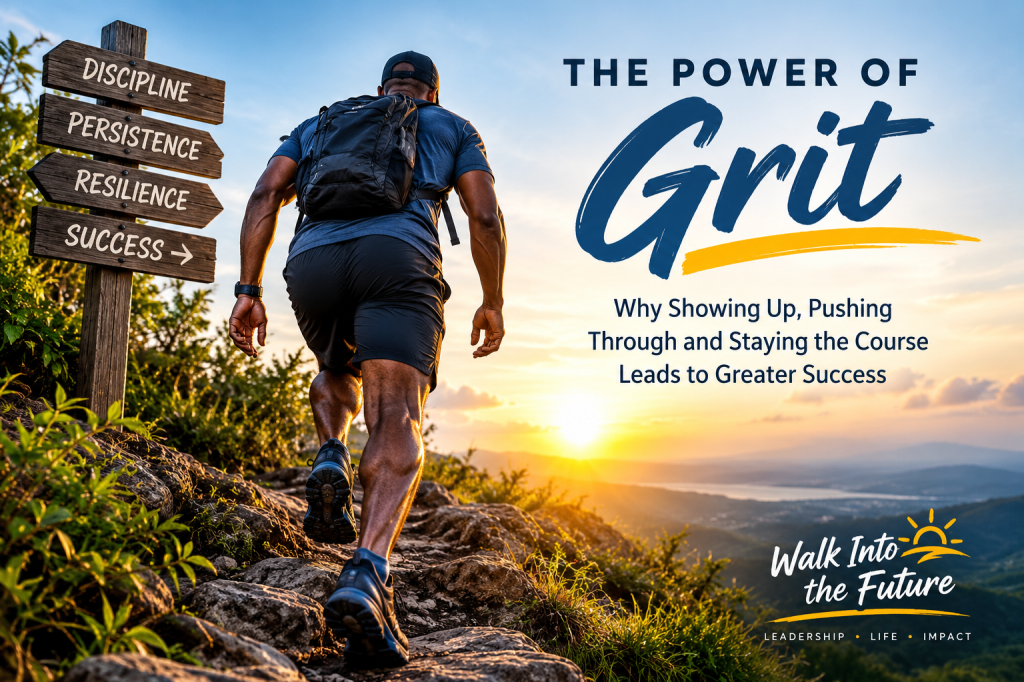
  • Why Grit Is a Leadership Superpower

    “As much as talent counts, effort counts twice.”

    (Angela Duckworth)

    Success isn’t about talent alone is a statement I love to share with my tree branches.

    When we think about great leaders, we often focus on intelligence, charisma, experience, or natural ability. While those qualities certainly matter, there is another characteristic that often separates exceptional leaders from everyone else: grit.

    Grit is the ability to persevere through challenges, maintain commitment during adversity, and continue moving forward when success seems distant. In leadership, grit is not about being stubborn. It is about having the resilience to pursue meaningful goals despite obstacles, setbacks, and disappointments.

    The leaders who make the greatest impact are often not the most talented individuals in the room—they are the ones who refuse to quit.

    As a runner, I’ve learned that success in long-distance races doesn’t happen because of one great workout. It comes from consistently showing up, especially on the days when motivation is low.  Leadership works the same way.

    Organizations face economic uncertainty, staffing shortages, changing priorities, and unexpected challenges. During these difficult times, team members look to their leaders for stability and direction. Grit allows leaders to remain focused on the mission while adapting to changing circumstances. It helps them stay committed to long-term goals rather than becoming distracted by temporary setbacks.

    People follow leaders they trust.  This is not a huge revelation or insight into building trust. Trust is not built when everything is going well. Trust is built when challenges arise and leaders demonstrate courage, consistency, and determination. When employees see their leader remain calm under pressure, continue serving others during difficult times, and stay committed to organizational values, confidence grows. Team members begin to believe that together they can overcome obstacles.

    A gritty leader communicates a powerful message: “We may face challenges, but we will face them together.”

    Grit creates a culture of resilience.  Leadership behavior becomes organizational behavior. When leaders demonstrate perseverance, employees are more likely to adopt the same mindset. Instead of viewing obstacles as reasons to quit, teams begin viewing them as opportunities to learn and improve.

    Organizations led by gritty leaders often develop cultures characterized by:

    • Persistence / Accountability / Continuous improvement / Adaptability

    These qualities help teams thrive in environments where change is constant. Failure becomes a variable that teaches organizational lessons.  All leaders experience some level of failure during their time running organizations.  Projects fall short of intended goals, some decisions don’t work out, and criticism is inevitable in these situations.

    The difference between successful leaders and unsuccessful leaders is not the absence of failure. It is how they respond to failure. Grit allows leaders to view setbacks as lessons rather than permanent defeats. Instead of asking, “Why did this happen to me?” gritty leaders ask, “What can I learn from this experience?”

    Growth begins when the excuses end.  Leaders who display grit inspire their teams and others who watch their daily interactions.  One of the greatest gifts a leader can offer is hope. When people witness a leader overcoming adversity, they become inspired to push through their own challenges. The leader’s example becomes a source of motivation.

    Think about the leaders who have influenced your life. Chances are they faced obstacles, criticism, and uncertainty. Yet they continued moving forward with determination and purpose.

    Their grit became contagious and direct reports want to emulate this level of determination.

    The future belongs to leaders who are willing to stay the course when others give up.

    Talent may open doors. Experience may create opportunities. But grit is what sustains success over time.

    How do you display grit in your daily interactions?  What improvements can you make in this process?

    Irie!

    Calvin Williams

    “It does not matter how slowly you go as long as you do not stop.”

    (Confucius)
  • Rucking Is the Fitness Habit Leaders Shouldn’t Ignore

    “Adopt the pace of nature: her secret is patience.”

    (Ralph Waldo Emerson)

    The Walk into the Future blog continues to look for new adventures in this life we lead.  No huge surprise that I love to try new things.  The concept of staying physically fit is a daily part of my life.  One of my new exercise adventures is rucking. 

    Rucking is a very simple fitness program that does not need expensive equipment.  I just put weights into a backpack, put on my shoes and just walk—nothing complicated! 😊

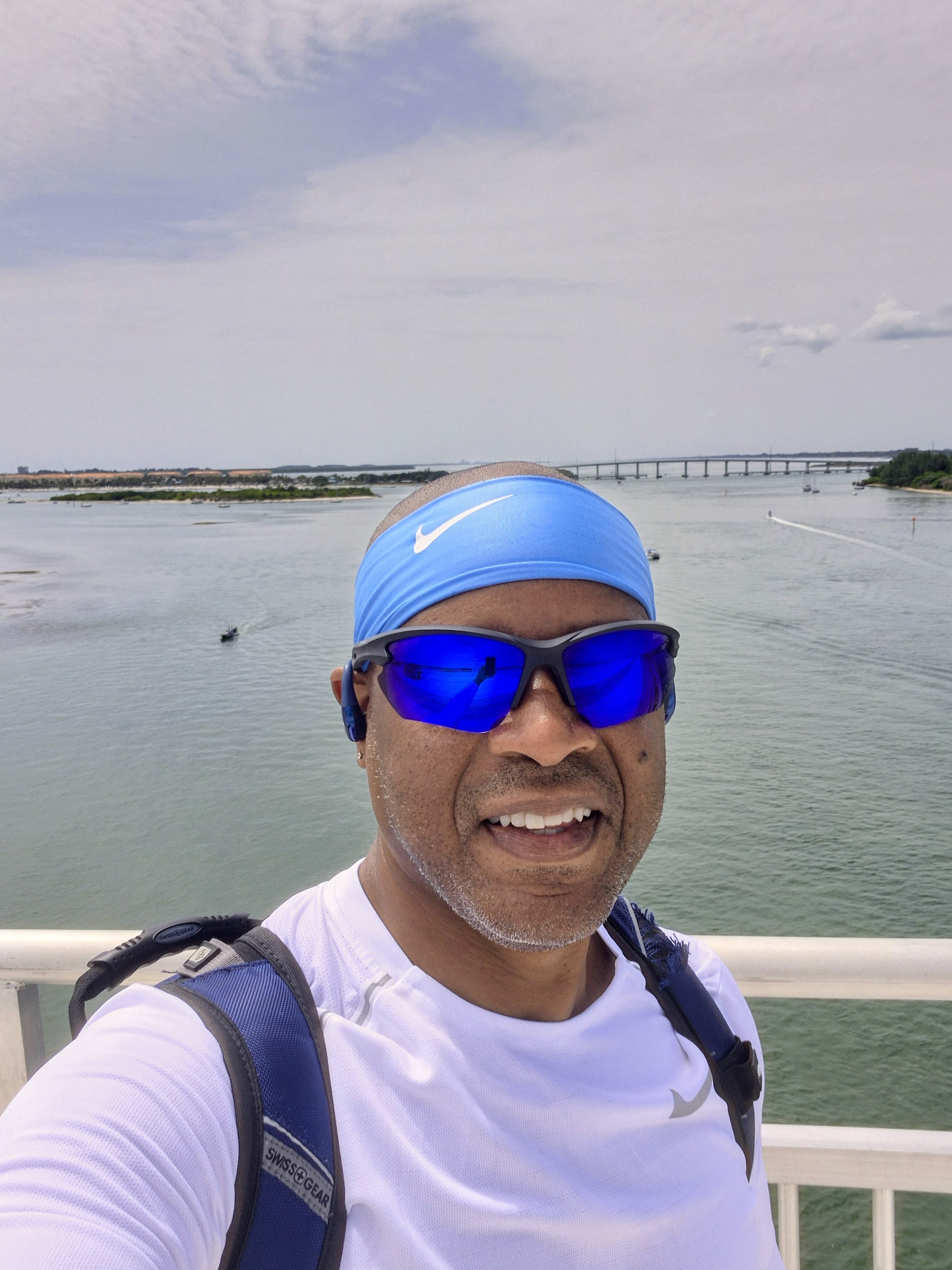
    My first rucking adventure had me walking on the new North Hutchinson island bridge.  I’ve done multiple runs over local bridges but rucking the new bridge got me excited to test my physical conditioning in a new way.  Why rucking?   Great question, Lauren!

    I noticed the rucking trend and decided to see how it could help with my marathon training program.  Rucking is becoming one of the most practical ways to improve physical health, mental resilience, and leadership performance.  It was originally developed as military training; rucking has evolved into a powerful exercise that anyone can incorporate into a daily routine. Whether leading an organization, managing a team, or striving to become your best self, rucking offers benefits that extend far beyond physical fitness.

    Rucking is simply walking while carrying a weighted backpack (known as a rucksack). Unlike running, which places significant impact on the joints, rucking adds resistance while allowing you to maintain a natural walking pace.  There is no need for specialized skills or elite conditioning to ruck.  I simply put a 10-pound weight in an old book bag and started walking.  My first ruck covered 2.5 miles up and over the bridge.  I’ve started to add rucking to my Sunday cardio routine by walking in my neighborhood for 45 minutes.  This is an easy way to get additional cardio in without added pressure on my joints that come from running.

    The physical benefits of rucking are huge.  Rucking combines cardiovascular exercise with strength training, making it one of the most efficient workouts available.  I was surprised to discover that rucking helps with cardiovascular endurance, muscle development in the legs, core and back. Putting weights in your ruck sack (book bag) burns a lot more calories than a regular walk.  I find my posture getting better as I balance the weights in my book bag while keeping an upright walking motion. 

    So, how does rucking impact you as a leader?  Great question, Melissa! 😊

    Leadership requires more than intelligence, it requires resilience. Rucking provides uninterrupted time to think, reflect, and solve problems. I find my best ideas while moving instead of sitting behind a desk. Every mile becomes an opportunity to clear my head and refocus on things that matter most to me.  I’m able to lock in mentally while rucking and create new projects and blog ideas.

    One of the greatest leadership qualities is perseverance. There are moments during every ruck when the weight feels heavier than expected. Hills become steeper. Fatigue sets in. The easiest option is to stop.  But every step teaches an important lesson: we are capable of more than we think.  Keep moving forward!

    Leadership often requires carrying heavy responsibilities that others never see. Rucking becomes a physical reminder that strength is developed by consistently carrying difficult loads—not by avoiding them.  Great leaders don’t ask for lighter loads. They develop stronger shoulders.  The ruck becomes a lesson in endurance, preparation, adaptability, and determination.

    How did I start this new adventure?  I simply put two dumb bells in an old backpack, put on my shoes and started walking.  Sounds like something all my readers could do! 😊 I recommend you focus on consistency instead of speed.  I normally try to ruck for an hour.  The distance is not important to me, but I want to keep moving forward.

    Success in leadership, health, and life rarely comes from dramatic breakthroughs. It comes from small, consistent steps taken day after day. Rucking reminds me that growth happens when we willingly carry challenges instead of avoiding them.  Every mile strengthens the body. Think about grabbing a backpack instead of another leadership book when preparing for your next leadership challenge.  You may discover that the path to becoming a stronger leader begins with simply putting one foot in front of the other.

    Walk into your future—one step, one mile, and one challenge at a time.

    When are starting your rucking program?

    Irie!

    Calvin Williams