Always wonder if my leadership and mentor quotes travel well.
Received the image above a couple weeks ago from a Career Center friend in South Florida. The Career Center had Graduate Assistants (GAs) present to leadership how they would incorporate National Association of Colleges and Employers (NACE) competencies into daily interactions with students and alumni.
One of their GAs researched the NACE site and found an Authentic Leadership article done with me and leveraged my words to make her point on how a leader truly inspires an organization. I was happy to see my words helping the next generation of college students and future leaders.
So, yes, proud to say people are listening and putting these words into action! 😊
I continue to promote Authentic Leadership as a platform to enhance organizational success. The four variables are easy to understand and apply in daily interactions within the work environment. True leaders need to be visible and available to engage direct reports to ensure everyone has input in how the organization operates. Top down leadership may be needed in isolated situations, but your people want to be engaged. The only way to accomplish this is to engage them—simple concept.
Leverage Napoleon’s words above and become a dealer of hope.
What’s your favorite leadership quote? How does the quote impact your daily interactions? I welcome your thoughts, thanks!
“As we look ahead into the next century, leaders will be those who empower others”.
“If a window of opportunity appears, don’t pull down the shade”.
(Tom Peters)
My current Walk into the Future allows me to constantly look for opportunities to impact others and make a difference in this world. My why was identified in June 2018 — to impact people in a positive way to leave them better than when I found them. To stay consistent with my why I make a point to take meetings from everyone who requests a sit down with me. Taking meetings is a form of reaching back to help someone else and it helps me continue to build tree branches.
Received a request via LinkedIn last week from someone I knew from my former role at FSU–we sat in several meetings together but never engaged much after the meetings were done. Fast forward a year and a mutual friend suggested we get together because we both are making a difference in the world (different focus areas) and he thought it would be good for two like minded people to sit down. Opportunities are all around us!
I happily accepted the meeting and let my new tree branch select the date, time and location. We were able to quickly identify this meeting should have taken place a long time ago. Sometimes career ambitions AND life get in the way of two people sitting down to talk about life, plans and focus. Discovered quickly we have similar passions to help others in their walk into the future. Shared my why with him and several of the projects (blog included) I like to work on and how my why guides my daily interactions.
I was able to listen with intent during our time together. What I heard from him was a need to generate/identify a why to create the foundational model for his work. Leveraged how creating my why gave me a renewed focus and helps drive my efforts.
The why concept was well received during our time together and resonated with my new tree branch. It wasn’t rocket science, but I was able to listen to him and help strategize a way to gain the focus needed to take his operation to the next level.
My takeaways from our meeting:
Opportunity to help someone expand their message / focus
Opportunity to add another branch to my growing tree
Opportunity to share my why and leverage it in real time (application not just a theory)
Opportunity for future networking / interactions with a new tree branch
Opportunity to watch a branch grow and move towards goals
Opportunity for me to learn from someone doing great things in the world
Opportunity for me to continue to grow
So, when presented with an opportunity to take a meeting, go ahead and meet. You may be able to help someone find exactly what they need for success. You may also make a new friend which is awesome on its own. Stay available to opportunities around you, they may provide the compass needed for your Walk into the Future!
Note: I have taken 3 additional meetings since I originally wrote this article. They have all been beneficial and I’ve added more branches to my tree. Always looking for continued growth.
How open are you to accepting a meeting request from someone? What benefits would taking this meeting have on your growth? Curious, thanks!
“Keep your mind open to opportunities. They are closer than you think”.
‘Good teams incorporate teamwork into their culture, creating the building blocks for success.’
(Ted Sundquist)
The 1992 United States men’s Olympic basketball team was nicknamed the Dream Team because of the collection of NBA superstars who made up the team’s roster. The roster included Michael Jordan, Scottie Pippen, Larry Bird, Magic Johnson and Charles Barkley to name a few players. Every member of the Dream Team was considered the top player(s) on their respective NBA team—the best of the best.
So, with a collection of overwhelming talent available on the Dream Team, this roster is considered the greatest basketball talent ever assembled on one team. With that in mind, do you know what their ‘overall’ record was? Most people will say the Dream Team was undefeated in their run towards Olympic gold in 1992. The Dream Team’s overall record was: 8 – 1. That’s right, the greatest collection of individual basketball talent lost a game in their quest for Olympic gold.
Head coach Chuck Daly assembled a collection of college basketball stars to scrimmage the Dream Team to help prepare for the style of play they would encounter in the Olympics. College stars Grant Hill, Penny Hardaway, Chris Webber and others were invited to training camp to match up with their basketball idols. The Dream Team lost to their understudies on June 24, 1992, 62-54 because they assumed, they would roll through the college kids.
The Dream Team hadn’t completely bought into the ‘team’ concept because they were all great individual players and thought they would overwhelm any team put in front of them. To be fair, coach Chuck Daly limited Michael Jordan’s minutes and didn’t utilize his players to optimize their playing time. This strategy was taken to get the pros to focus and understand they could be beaten without ideal situations. The next time the Dream Team played the same collection of college players, they beat them soundly.
The Dream Team provides an excellent example of how team building enhances organizational success. Simply hiring people and then telling them they are a team does not work. Understanding team members’ strength, weaknesses and communication styles are a few things needed to build and enhance team dynamics.
Myers-Briggs Type Indicator (MBTI)
The MBTI is a self-report tool that provides and makes psychological types as described by C. G. Jung understandable and useful (MBTI). Organizations use the MBTI for various in-house needs. One area I have found useful for the MBTI is for team communication. I have direct reports complete the MBTI and then create an organizational chart we share with the team, so everyone knows the MBTI for their teammates. We create desktop placards or MBTI heads to display in individual offices as a quick reminder of everyone’s MBTI.
I leverage this knowledge when assigning tasks to team members. There are MBTIs who crave fast-paced and deadline filled assignments and others who view these type things as torture. The key is balancing assignments to maximize the team and help individuals grow. So, I’m not saying an introvert never has to do presentations but understanding team members helps with the overall health of an organization.
Understanding MBTIs within a team construct has led team members to appreciate each other more. My MBTI is ISTJ and if you view the MBTI head associated with me you discover things like analytical, organized, and calm. This knowledge helps everyone on my team understand why a perceived crisis does not impact me the same way it would someone who is an ENFP. No MBTI is perfect but understanding other indicators provides a team with a foundation to grow. This growth is a starting point for open communication and a successful team.
CliftonStrengths
I was introduced to CliftonStrengths (formerly StrengthFinders) during my time at the University of Central Florida Career Center. We were looking for ways to maximize our team and contracted to have someone come in to facilitate a workshop for the organization. This was an eye-opening experience for staff. I discovered my Talents were: Analytical, Relator, Learner, Deliberative and Strategic.
This knowledge will allow leaders and teams to build on current talents in the organization. I can leverage my identified talents with someone who has more talent in another area to ensure the team can complete a task. This can only be done ‘if’ talents are identified in advance.
There are other tools available to help leaders build teamwork and communication strategies for an organization. The MBTI and CliftonStrengths are two I have used and provided multiple organizations with outstanding results.
‘Take risks: if you win, you will be happy; if you lose, you will be wise.’
(Unknown)
Organizations looking to hire the next unicorn to join their team utilize multiple tools to get the desired results.
The first-round interview is an avenue to further screen candidates who meet the baseline qualifications listed in a job description. Organizations make a concerted effort to attract and hire the best possible candidate for their openings. The preferred method to conduct a first-round interview will vary by organization and industry. Some folks will swear by the telephone interview while others leverage technology and bring a video element to the first-round interview process. Enhancing this process may allow organizations to spot and hire their next unicorn.
Yes, there still are organizations that leverage this method to screen candidates. It allows candidates the ‘convenience’ of selecting a location to chat with interviewers. This method also provides the opportunity to have documents (resume/cover letter/notes) readily available to refer to during the actual interview. Candidates do not have to dress professionally for this type process, but it is recommended to get them into the right frame of mind. Some do and some don’t; this may hinder a unicorn’s performance during the interview. This type interview does not allow the organization seeking talent to get a full ‘view’ of the candidate. Emotion, passion, desire and professionalism may not translate for everyone via a phone call.
Google video interviewing software and you get results for a large amount of available options. Recommend organizations research the software tools to fit their unique needs.
Two familiar options are: Skype and HireVue.
Skype:
Skype has been my go-to tool for conducting first-round interviews in previous roles. The flexibility of Skype interviews allows for scheduling ease when hosting panel interviews. This process provides a search committee with an opportunity to meet a candidate via a live feed to see their interactions with other committee members. The candidate can also meet the committee via the live feed and engage them like a face to face meeting. Facial expressions (good or bad), eye contact, and communication ability can all be ‘viewed’ on both sides of the video feed. These real interactions can help when deciding if the candidate progresses to the next round in the interview process. This is also a quick and easy way to gauge a candidate’s ability to utilize technology. Creating a Skype account and using the software is not a highly complicated process. This may highlight limited technology skills for the candidate (important if your organization values technology skills).
HireVue:
HireVue is a software package that provides organizations the ability to search a deeper pool of candidates. Organizations can create the structure needed to ensure each candidate’s interview experience is consistent. This concept can help to eliminate perceived or real bias in the interview process. Candidates receive a HireVue interview request via email with a link to select with a deadline to complete the video interview. Instructions on computer, camera and microphone capabilities are provided to test run prior to conducting the interview.
HireVue also enables candidates to try ‘practice questions’ and record themselves with real playback as many times as needed to get comfortable. All candidates are presented with the same written interview questions/situations in exact order. They are provided time to gather their thoughts and notes with a countdown clock. Candidates then provide their video recorded response to each question with a scheduled pause between questions. The recorded responses are compiled at the end and provided directly to the hiring organization (committee) for review and final assessment. Successful candidates are then provided instructions for the next round of the interview.
HireVue is another quick and easy way to determine a candidate’s technology capabilities.
Again, there are a lot of ways to look for and hire a unicorn. Recommend organizations find a method that provides multiple ‘touch points’ to ensure they are using a platform to bring out the very best of each candidate. You don’t want to miss the unicorn and bring in a candidate who had a great ‘phone’ voice but nothing more once you meet them for the first time.
How does your organization find and hire unicorns? What things can your organization improve in the first-round interview process? Curious and eager to learn more—thanks!
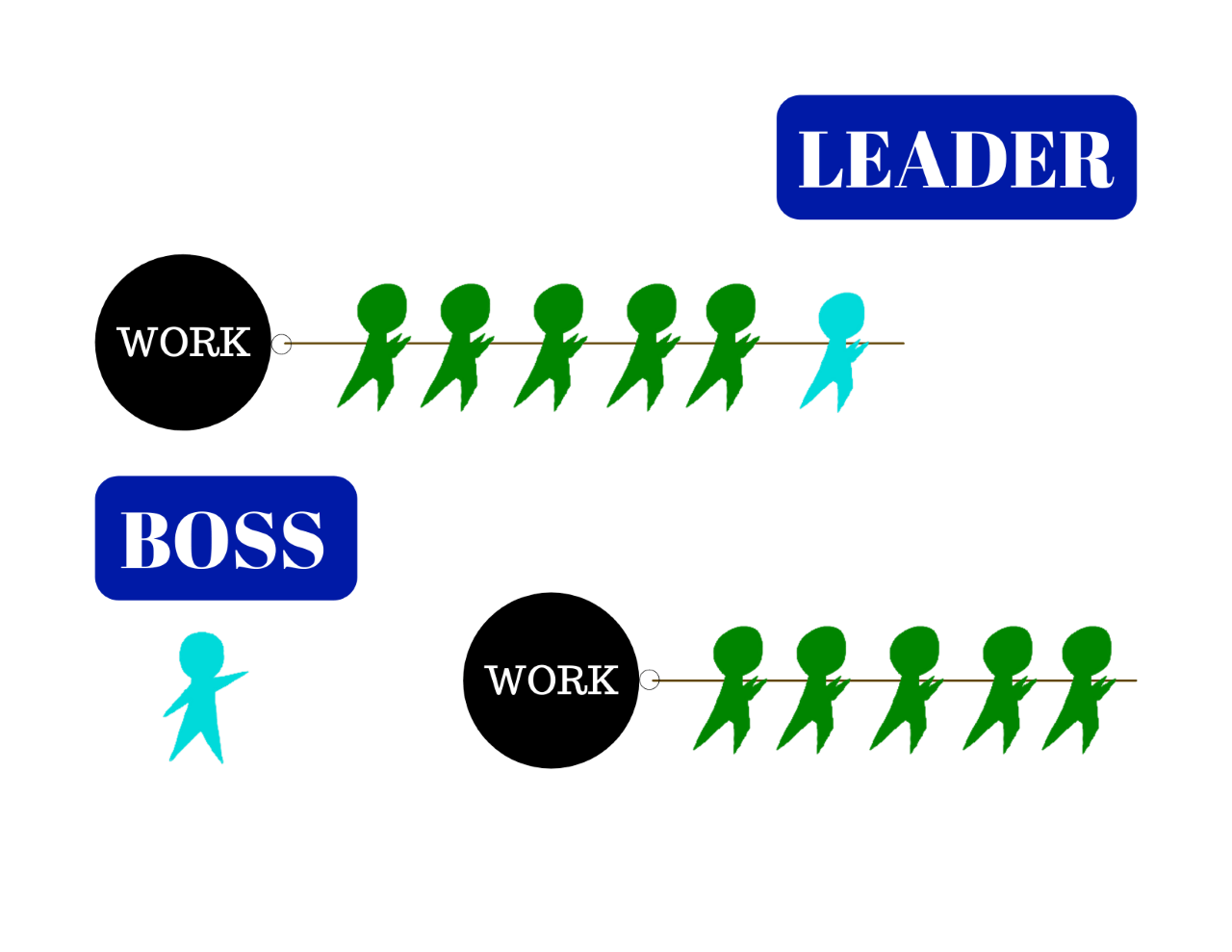
I love the image above for the simple message it sends. True leaders are not afraid to engage to ensure team success. Leaders display a level of humility when they show direct reports they are a part of the overall team, not just the person demanding results.
Contrast the two examples in the image. Who would you want to work for? The leader or the boss? Why?
I have been lucky to work for some truly great leaders in multiple work environments. They all shared a vision of what success looks like and made sure everyone was working toward the same goals. These great leaders always led by example and made professional development/learning a priority in the workplace. This enhanced direct report engagement and made everyone want to get more accomplished. Regardless of style (authentic, transformational, democratic, etc.), great leaders provide positive interactions and examples we can emulate and utilize within our own leadership practice.
Luckily, I have not experienced too many of the boss examples in the image above, but I have made a point to learn from these people as well. Don’t be so quick to write off the lessons you gained from a boss:
How did your boss make you feel daily?
How easy was it to bring them problems?
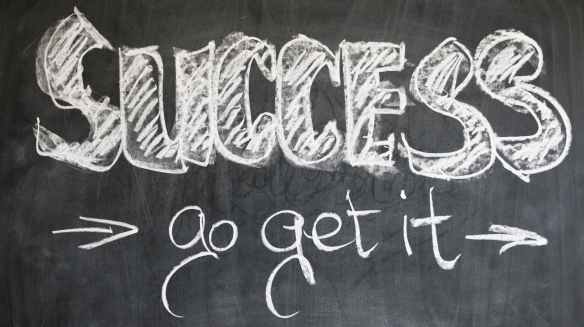
Did they explain tasks or just say go get things done?
How competent were they getting the job done?
How invested were they in your professional development?
How much fun were they to be around?
How much staff turnover did your office have?
I could add more things to this boss check list but believe you see my pattern now. So, what lessons can you learn from a boss? I’ve learned to never repeat a boss trait I viewed as a negative.
Getting up from behind a desk or closed door to engage with people daily is an easy task for everyone. Never get so comfortable with a position you forget your responsibility to the people you serve. Servant leadership is centered on the idea the leader serves their people. Take the time to explain the WHY of a task not just the WHAT needs to be done. Leverage the strengths of everyone on the team. This requires the leader to know the strengths and weaknesses of each team member.
It’s okay to have fun at work! No, really, fun and work can go together. Look at some of the most successful organizations and the culture they build in the work environment. Work still gets done but fun happens daily—may be a coincidence but these type organizations are able to retain their staff members.
Consider implementing a stay interview process. Stay interviews allow great leaders to engage staff to see what they need in the work environment. The stay interview builds a dialogue to enable both sides to enhance relationships and create a productive culture. The leader does not have to promise anything they can’t back up and allows them to explain these things directly to staff members.
Note: Had a great conversation during a virtual networking event last week in Orlando about the term stay interview. Some organizations/leaders do not like this term. That’s fine, call it ‘professional development interview, career development orientation, etc.’ but look for ways to engage staff on their professional needs.
So, continue to emulate the great leaders you have had in your work life but don’t miss the valuable lessons the bosses have provided.
What leadership traits do you emulate daily? What have you learned from a boss (no names needed)?
“I’ve learned that people will forget what you said, people will forget what you did, but people will never forget how you made them feel.”
Photo by Markus Spiske temporausch.com on Pexels.com
“True leadership stems from individuality that is honestly and sometimes imperfectly expressed—Leaders should strive for authenticity over perfection”.
(Sheryl Sandberg)
Had a great lunch meeting and chat with one of my Orlando tree branches at the end of May. We were able to catch up before my scheduled guest speaking role on the Intern Pursuit podcast. Always love catching up with my tree branches in-person and jumped at the chance to hear the great things she was doing in Orlando with her small business marketing firm.
We were able to share professional and life updates during this visit and got into the concept of leadership in the workplace. Just general stuff but I’m a big believer in leadership development and the impact ‘good’ leadership can have on the work environment.
Most people have heard numerous leadership styles mentioned: transactional, transformational, authoritative, authentic, etc. I recommend new leaders have a good understanding of multiple leadership styles and then work to find their inner voicewithin the work environment.
What’s your inner voice? This concept can be used to determine your true leadership style and then put things into place to ensure your work environment and people can grow. I tell anyone who listens I’m a huge believer in the authentic leadership style. Guess what, authentic leadership takes some of the best aspects of other leadership styles and packages them into a concise, four variable approach to leadership. The variables of self-awareness, relational transparency, internalized moral perspective and balanced processing are used by authentic leaders to develop their inner leadership voice. An authentic leader needs to ensure these variables are on display and utilized daily to truly be an authentic leader.
Please note, all leadership styles have variables of some level. Transformational leaders are called ‘quiet leaders’ because they are described as leading by example. Transactional leaders can be viewed as reactive and ‘may’ be more beneficial within large corporation settings.
So, as you can see, there are a lot of leadership styles available to new and experienced leaders.
“It can be done. Leaders make things happen. If one approach doesn’t work, find another”.
(Colin Powell)
The key to finding your leadership inner voice is assessment of your work environment and flexibility. I can say I practice authentic leadership, but this style may not be practical for every direct report. A direct report who is not performing to standards may need daily transactional interactions whereas the rest of the staff thrive with the authentic leadership environment created. Knowing the needs of your staff is something that comes with experience, lots of reading and training. The ability to adapt to changing work situations and needs of direct reports allows a leader to impact the work environment in a positive manner.
It’s okay to take a personal interest in direct reports and things they are interested in. You may be able to adjust work assignments to keep them engaged based on strengths and interests. It’s also okay if you can’t accommodate everything your staff would like to do in the work environment. Example: staff may want to work from home but if that model does not fit the mission then it’s up to the leader to say so. Saying no in this situation is not a personal attack, it’s just the way the organization must operate.
A lot goes into being a leader. Understanding leadership styles, your strengths and weaknesses as well as continual learning will help as you develop your inner leadership voice.
“Outstanding leaders go out of the way to boost the self-esteem of their staff. If people believe in themselves, it’s amazing what they can accomplish”.
Who is your favorite teacher? What did this person do to hold the distinction of your favorite? Do you emulate the characteristics they displayed towards you? How has this person impacted your journey? (Trick question)
Decided to reverse my normal pattern and get right to the questions I wanted to pose to readers.
I’ve been contemplating writing something about teachers or role models for a while. Just needed a little inspiration and a logical way to highlight the importance of my favorite teacher and how the Walk into the Future blog technically originated in a Typing 1 high school course.
Mattie Fouraker
Mattie Fouraker is my favorite teacher. Please note, I’ve had some amazing folks to guide me throughout my entire journey, but Mrs. Fouraker provided me with the tool I use every day—the ability to type.
The Typing 1 class was an elective I decided to take in the 10th grade. My main reason for taking the class was it was full of young ladies who had an interest in typing. My interest was being in a class full of young ladies—almost had the class to myself but one of my male friends decided to join me.
My goal was to just sit in the class and do as little as possible—had no idea typing would be a central part of my adult life. Mrs. Fouraker must have read my ‘thought bubble’ for why I was in her class. She told me on day one that she expected me to keep up and perform as well as the rest of the class. She never wavered on her expectations for me and provided the encouragement to learn, perform and get better every day. My competitive nature came out as well because I wanted to get faster and more accurate.
Practice, repetition and encouragement produced results that allowed me to win a typing award for speed and accuracy. I finished as the fastest and most accurate student in the class to the amazement of the other students. My status didn’t faze Mrs. Fouraker because she saw ‘promise’ in me and nurtured the process to ensure I was successful—she even made a point to keep the young ladies in the class away from ‘me’ so I didn’t get distracted.
I had no idea at the time how valuable this class and Mrs. Fouraker’s guidance would be on my future!
Mrs. Fouraker and I still communicate to this day and she always asks me if I still type 65 words per minute. 😊 She occasionally reads my blog, so hoping she enjoys the fact I’m still typing away.
Projects (Book, dissertation)
My time in the Air Force allowed me to perform multiple roles: computer analyst, instructor, leader and event planner. The skill that overlapped in all these roles was my ability to type. The computer analyst role required I write code for hours on end. The amount of coding and testing we were able to complete was enhanced because of my typing speed and accuracy. Who knew a class in 10th grade would impact the Air Force mission so much!
I was able to fulfill a lifelong goal in 2010 when I published a book. The ability to type provided me with the foundation to generate enough content prior to editing the book. Typing allows me to get my thoughts down since I’ve never been able to keep up with my ‘active’ thoughts writing by hand. This also helps because I don’t have the greatest handwriting and have trouble trying to decipher ‘what’ I was trying to express—typing eliminates these issues for me AND anyone trying to read my writing.
My PhD dissertation topped out at 107 total pages, but I wrote about 3 times that amount of material to get to my finished product. Mandatory edits presented to me by the dissertation committee members were quickly incorporated within the document with ease. The typing lessons learned (proper hand placement, key locations, etc.) allowed me to complete this task within minimal time and check off another major milestone in my journey.
Blog
The published Walk into the Future articles are another example of Mrs. Fouraker’s impact. Most of the published articles are conceived and written in one session. I normally take a topic (suggested by a tree branch, personal experience, current topic, etc.) and sit down to find my inspiration to write. I sit down and begin typing once I identify an angle I want to take with the article. I can always go back and edit things to make more concise but most of what you read in the Walk into the Future blog was thought of and written in the same session. Lessons learned in that 10th grade typing class provide me with the capability to generate ideas and get them down quickly. FYI, I still don’t look at the keys or my hands when typing! 😉
Thanks!
Thanks to Mrs. Fouraker for providing me with tools I have leveraged my entire adult life. Her dedication and patience displayed years ago enables me to chronicle my current Walk into the Future and continue to move forward—well done!!!
‘Success is stumbling from failure to failure with no loss of enthusiasm.’
(Winston S. Churchill)
Most people who talk to me or read the Walk into the Future blog know I have a love for reggae music. Growing up I favored other music genres but never could get into reggae. Really, I never took the time to truly ‘listen’ to the artists because I spent more time trying to hear something familiar as oppose to what was really being said.
Long story shorten, Reggae is what I listen to about 85% of the time when I have headphones on. Hearing Reggae live in Negril, Jamaica was my turning point and I continue to gravitate to the beats and stories daily.
Reggae: a style of Jamaican music blending blues, calypso, and rock and roll, characterized by a strong syncopated rhythm and lyrics of social protest. (Dictionary.com)
Bob Marley released his classic song ‘Get up, Stand up’ in 1973. The intent for Bob Marley and Peter Tosh was to make a statement and speaks to a level of persistence in life.
Decided to revisit this classic song today from an angle to provide an ‘irie’ slant to my current Walk into the Future. I was in negotiations with an organization to provide professional development training for their staff later in the year. I was excited for the opportunity to make a positive difference for the staff and organization.
The organization ‘smartly’ surveyed staff members to get their input into the direction of the professional development training and discovered staff wanted/needed something else. They let me know they were going in another direction based on staff needs. FYI—I fully support the new direction they decided to go because staff identified what they needed—the goal is to build the organization based on their needs.
Most blog posts I describe my Walk into the Future with all the positive things it has brought me. I share this story to remind readers that even though I’m enjoying every day of my current walk, I too experience things that don’t always go my way. No worries!
Bob Marley reminds me to, “Get up, stand up, don’t give up the fight”. I view this small setback as an opportunity to sharpen my skills to ensure I can deliver additional speaking platforms to maximize organizations’ growth potential. This is just one step of many on my Walk into the Future—I’m still moving forward. Also, I have already started on my next proposal for the same organization because I haven’t given up the fight! 😊
My persistence remains and I will continue to find ways to make a difference! Everything Irie!
How do you handle setbacks? What tools do you utilize to bounce back? Curious, thanks!
‘The most interesting thing about a postage stamp is the persistence with which it sticks to its job.’
‘I feel that luck is preparation meeting opportunity.’
(Oprah Winfrey)
I continue to express the benefits of building effective partnerships and how networking can enhance this process.
My current Walk into the Future provides multiple opportunities for partnering and networking to continue to make a difference in the world. Current relationships (mentors, tree branches, etc.) can be instrumental for the development of new opportunities.
I was virtually introduced to Isabella Johnston from Intern Pursuit through a mutual friend. We connected via LinkedIn and then followed up with a phone call to learn more about how we could partner (if possible) in the future. Happy to say Isabella’s role with Intern Pursuit and other projects she has in the Central Florida area are making a difference daily. Enjoyed learning about the exciting things she is working on and will roll out later this year.
We discussed the possibility of me coming down to participate as a guest speaker for her Intern Whisperer Podcast. Participating on the podcast seemed like a perfect partnership so I was happy to accept the offer to continue to work with Isabella and her staff.
What a great experience to meet Isabella, her staff and recording the podcast! Very engaging format with questions designed to allow me to provide professional and leadership advice to listeners of the podcast. Had a blast with the entire process and looking forward to continuing this newly formed partnership.
An interesting aspect to my trip down to Orlando was I had lunch with a ‘tree branch’ prior to recording the podcast. I had breakfast the next morning with another ‘tree branch’—tried to get a lot accomplished in minimal time. The interesting part of my connecting with my Orlando tree branches is they both know (know of) Isabella and her work and she is familiar with their work. They are all master networkers, so I’m not surprised these folks all know each other—looks like I was the last one to the party! 😊
Please share the podcast with anyone you believe would benefit from the great work by the Intern Pursuit staff.
Who gave you a chance?
One question that was presented to me during the podcast was ‘Who gave you a chance’?
You can hear my full answer by listening to the podcast. I’ve had a lot of great people mentor me over the years but my answer to this question is Ann Loyd. Ann allowed me to transition from the Air Force into a role within the Macon State College Career Center. Nothing in my professional background directly translated to career services but Ann took the chance my dedication and passion to help others would translate. Happy to say it did—I’m still making a difference because Ann saw something in me and helped me shape my world view on helping students succeed. My Walk into the Future started with the chance she gave me.
‘It is the responsibility of leadership to provide opportunity, and the responsibility of individuals to contribute.’
(William Pollard)
So, I pose the same question to you–Who gave you a chance? Who will you give a chance to? Interested in your thoughts—thanks!
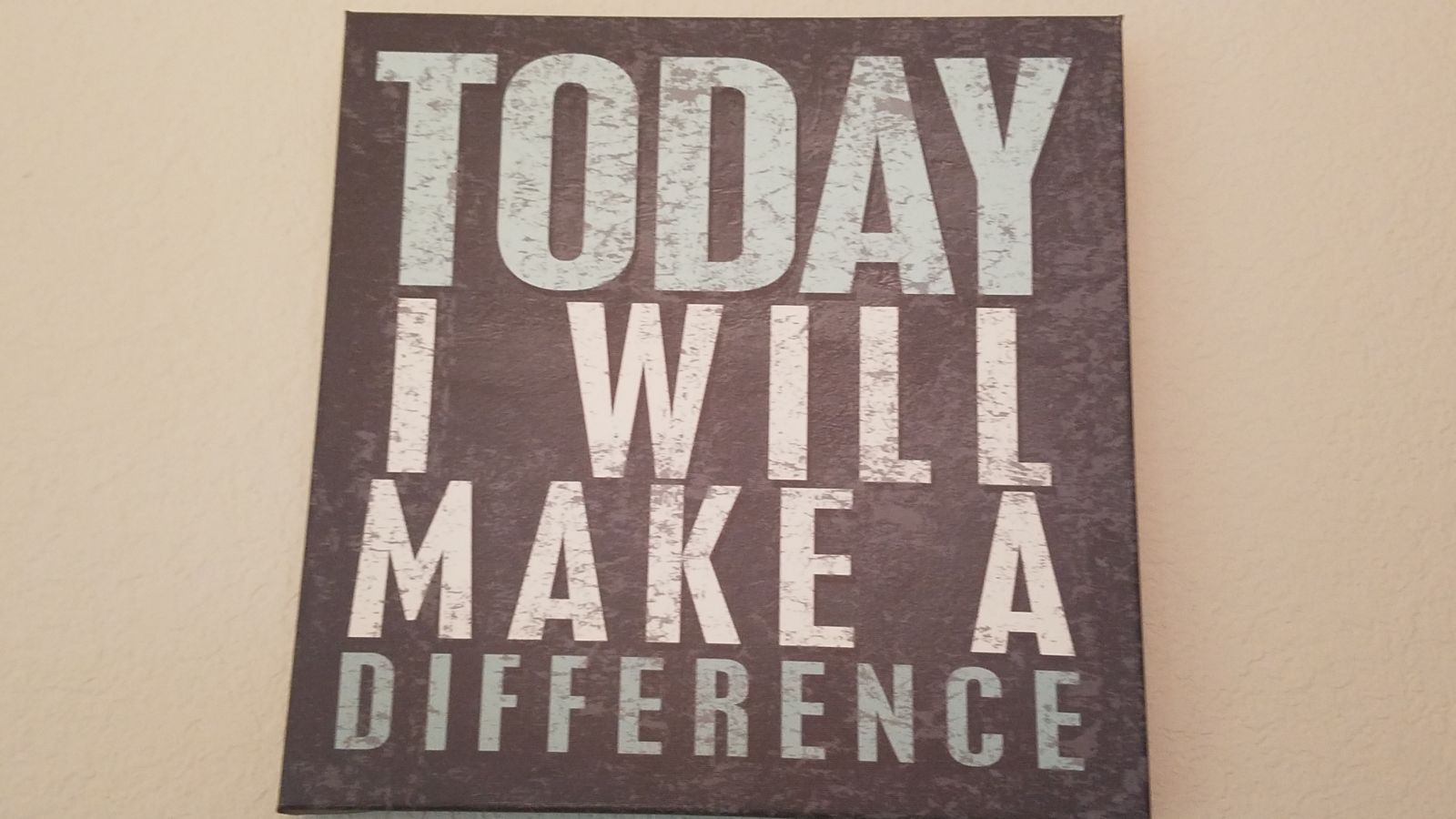
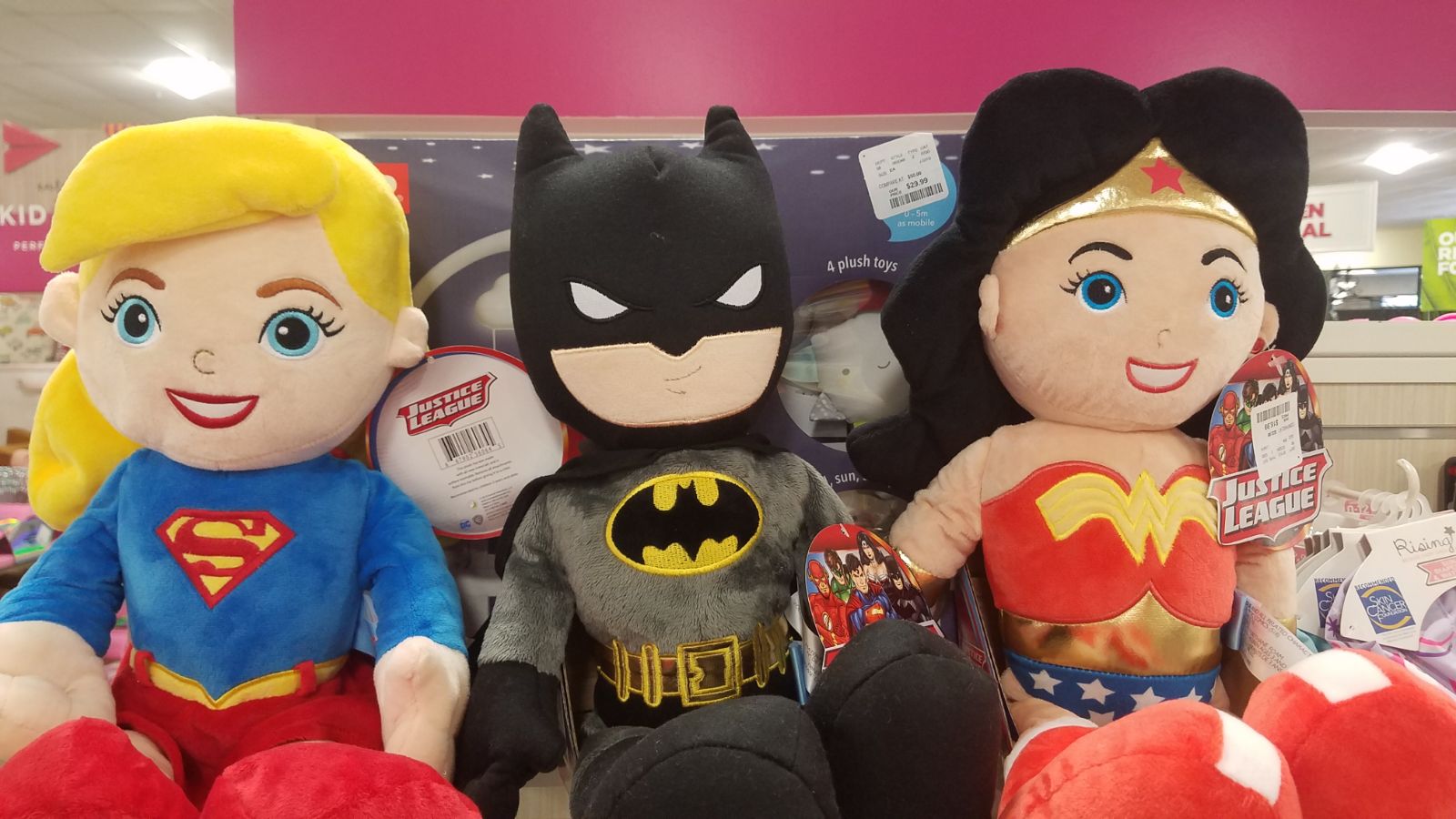
I start each day with the purpose of making a difference. Changing the entire world continues to prove to be beyond my ‘super powers’ so I focus on the small victories in life.
The picture above hangs next to my front door, so I must pass it on my way out into the world. It is a simple reminder to ensure my focus remains on the small victories in life that can make a difference to someone.
My psychology educational background was selected because of a desire to understand others better. My thought process has always been to understand what makes people do or think what they do. Psychology provided me with the foundation to understand the importance of helping others. Please note, helping someone can be as simple as asking them how their day is going. Doesn’t have to get super deep to impact someone you cross paths with regularly.
I’ve written about the benefits of volunteering in the local community. This small step can be a huge difference maker for your local community and especially someone who benefits from the organization you volunteer with. Volunteer multiple times with an organization and you will begin to put smiles on the faces of people within the organization.
Mentoring others has always been a huge part of my daily routine. My current Walk into the Future allows me additional time to reach out to my tree branches and put focus on topics they want to explore. We always did this but now my availability enhances how often we get to check in. I enjoy catching up with my tree branches and hearing the great things ‘they’ are doing in the world. Following their progress and seeing how they make a difference is a highlight for me.
I’m able to expand my reach beyond my current tree branches because of my availability. Students and organizations I was not engaged with prior are reaching out for me to help them move forward. Some of the students knew me at FSU in passing or had a friend work with me and recommended they reach out. I find this ‘underground referral’ process a bit flattering and it shows I’ve made enough of a difference for someone to put their friend in touch with me. I never turn down these requests—the students have shown a tremendous amount of ambition by reaching out and requesting assistance. Selfishly, I view this whole process as growing my tree—these new branches know they must help someone else move forward.
Working with organizations is an area I would like to expand in 2019. I currently do some professional development/leadership consulting with the Seminole Tribe of Florida. We have several workshops planned and looking to add more to help them grow as a group. Coordinating with a few local groups to highlight the Authentic Leadership principles for them to incorporate within their leadership development programs. This process would expand my reach and provide a larger group to ensure I’m making a difference.
So, until I gain additional ‘super powers’, making a difference daily is how I plan to conquer the world! 😊
What can you do to make a difference today? Who would benefit from hearing from you? Don’t make them wait—reach out and make a difference!
















 Walk Into the Future