Tag: Team

  • People are more important than the job description (My soapbox)

    colorful ball float soap bubble
    Photo by Pixabay on Pexels.com

    “Leaders who don’t listen will eventually be surrounded by people who have nothing to say”.

    (Andy Stanley)

    So, need to vent for a minute.

    Continue to see and hear across multiple industries where the boss makes job description modifications (additions/deletions/unit changes) without discussing with the person doing the actual job.  The boss is then surprised when staff decide to find a work environment that views them as more than the job description.

    Please note, I’m not saying changes can’t be made to a specific job description.  Organizational missions change and updating duties, responsibilities and unit structure provides growth needed to move forward.  Leaders need to ensure the people tasked with getting things accomplished remain a part of the overall process.  Imagine the favorite part of your current position is removed and nothing was said to you prior to implementation.  How would you feel?

    I know leaders who make decisions based on how the job description is written and refuse to consider the impact on the person in the position.  Never agreed with this logic and still don’t.  People are more important than the job description!

    The authentic leadership variable balanced processing would help in these situations.  My research identified balanced processing as the variable that best explains job satisfaction for direct reports.  They want to be involved and should be.

    Leaders are encouraged to seek and find the big picture before making decisions.  Simply identifying potential job description changes would allow staff to provide input before the final product is created.  Balanced processing is leveraged to build trust, encourage professional growth for direct reports and provides a foundational and reliable decision-making process.  It also signals all opinions are valued and expected.  The concept eliminates personal bias from the decision-making process, everyone in the organization has input prior to the final decision.  Again, people are more important than the job description!

    I continue to promote the authentic leadership model because it can help create positive workplace outcomes and improve organizational performance.  It may also stop workplace turnover and get me off this overworked soapbox!

    Okay, I’m dropping the microphone and stepping down from my soapbox. 😊

    black microphone
    Photo by Teemu R on Pexels.com

    How does your work environment ensure people are not overlooked?  Does your leadership put job descriptions ahead of the people doing the job?  (Please respond in the comments section below—thanks!)

    “It is trust that transforms a group of people into a team”.

    (Stephen Covey)

  • Strong tree branches keep me moving forward

    two brown trees
    Photo by Johannes Plenio on Pexels.com

    “If you want to go fast, go alone.  If you want to go far, go together”.

    (African Proverb)

    My collective tree branches continue to amaze me daily!

    I enjoy watching the great things they are doing in their respective areas of higher education, mentoring, volunteering, speaking, podcasting, recruiting, leadership development and fitness to name a ‘few’ areas these outstanding folks are making a difference.

    The one area that stands out to me today as I write this is the teamwork they constantly display.  My Walk into the Future has led me away from a physical office space—as noted, I primarily work out of coffee shops with Lucky Goat being first choice.  My previous work life allowed me to be surrounded by direct reports and colleagues every day.  There was always someone available to me whenever I had a question, concern or marketing idea I needed to hash out.

    “If everyone is moving forward together, then success takes care of itself”.

    (Henry Ford)

    My current walk provides me unlimited freedoms to decide what I work on and when.  The one limiting factor is I don’t have ‘my’ team right down the hallway to bounce things off.

    A great aspect of having so many tree branches is they are only a text message, email or phone call away when I need help.  Today was a perfect example of how great my tree branches are.  Needed some help generating a Presentation Value Proposition for a conference proposal I was working on.

    I had no trouble describing my proposed presentation, highlighting learning outcomes and generating an overall summary.  Couldn’t generate the Value Proposition for the presentation for some odd reason—just couldn’t make it pop or even sound interesting.

    Reached out to two of my most creative tree branches and described my dilemma.  Provided them with what I needed to do and my attempt to generate the Value Proposition.  They both jumped into teammate mode and sent me back appealing options for the Value Proposition that made the presentation sound exciting.  The point being is even without us being in the same cities, my team still has my back and we make each other better daily.

    The ability to stress the importance of teamwork is something I’m proud to bring to every organization I’ve worked with.  It’s great to see my tree branches continue to embrace team concepts and help others grow.  Well done tree branches—keep up the great things you do daily!  Very proud of your efforts!

    Thanks to my tree branches who return my texts, emails, phone calls and LinkedIn shout outs!  You’re fueling this journey one step at a time—Irie!

    What are the most important team concepts you display daily?  How can you enhance the team experience in your work environment?  Thanks!

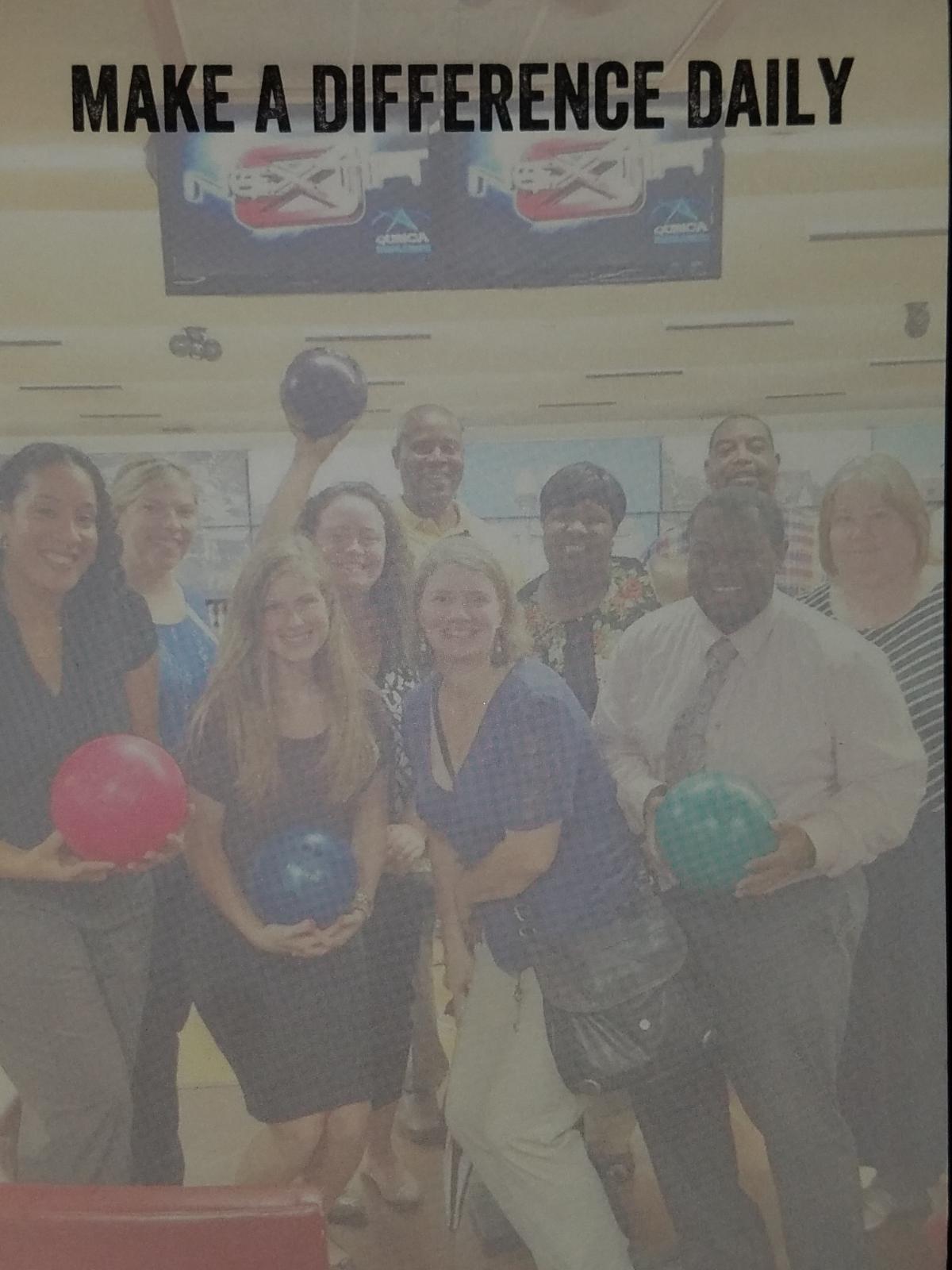
    Respect Melissa and V’Rhaniku!

    ER 2016

    (2016 team bowling outing)

    “If you want to lift yourself up, lift up someone else”.

    (Booker T. Washington)

  • Emulate great leaders ‘and’ learn from bad bosses

    “Never step on enthusiasm.”

    (Colin Powell)

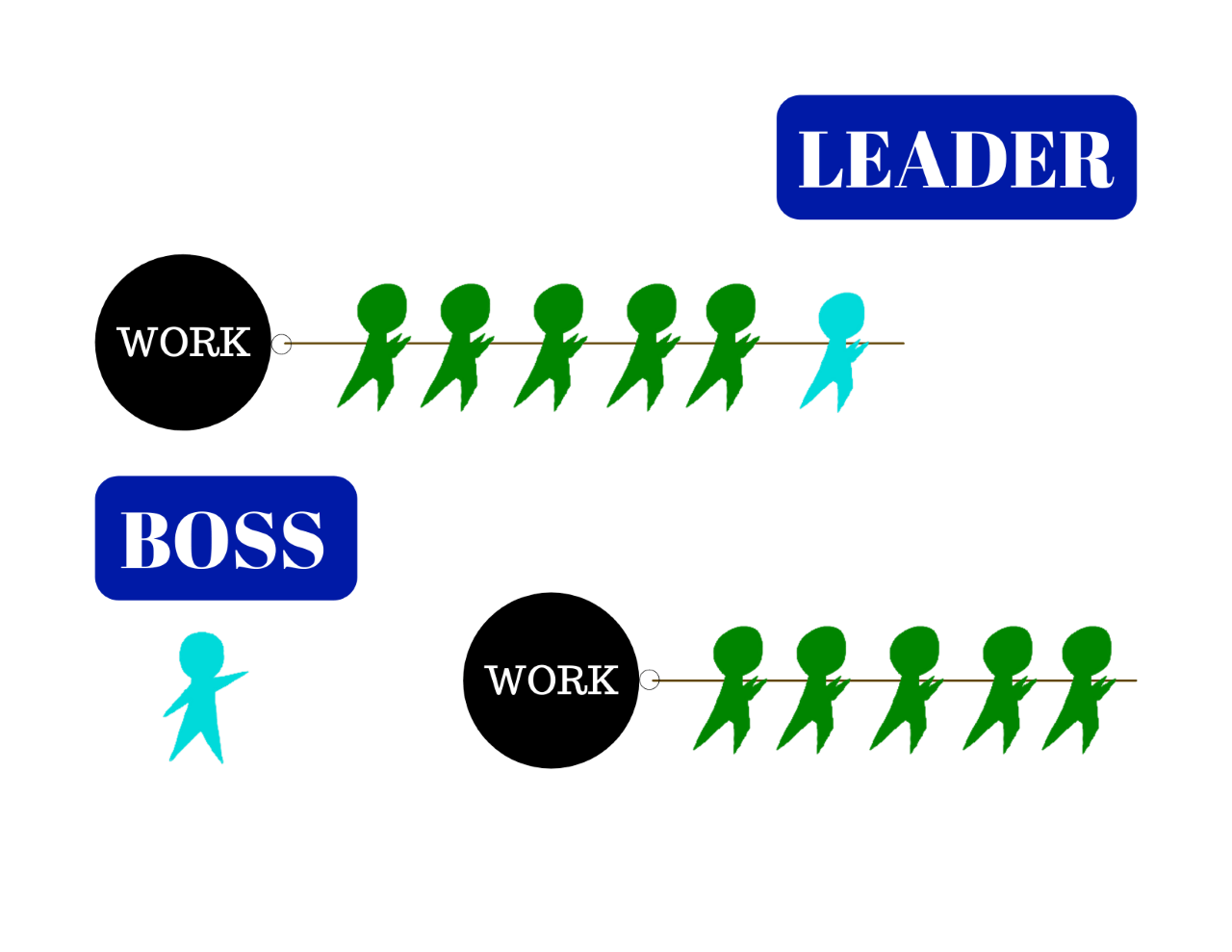
    thumbnail_Leader

    (Image by Jackie Zamora)

    I love the image above for the simple message it sends.  True leaders are not afraid to engage to ensure team success.  Leaders display a level of humility when they show direct reports they are a part of the overall team, not just the person demanding results.

    Contrast the two examples in the image.  Who would you want to work for?  The leader or the boss?  Why?

    I have been lucky to work for some truly great leaders in multiple work environments.  They all shared a vision of what success looks like and made sure everyone was working toward the same goals.  These great leaders always led by example and made professional development/learning a priority in the workplace.  This enhanced direct report engagement and made everyone want to get more accomplished.  Regardless of style (authentic, transformational, democratic, etc.), great leaders provide positive interactions and examples we can emulate and utilize within our own leadership practice.

    Luckily, I have not experienced too many of the boss examples in the image above, but I have made a point to learn from these people as well.  Don’t be so quick to write off the lessons you gained from a boss:

    • How did your boss make you feel daily?
    • How easy was it to bring them problems?
    • Did they explain tasks or just say go get things done?
    • How competent were they getting the job done?
    • How invested were they in your professional development?
    • How much fun were they to be around?
    • How much staff turnover did your office have?

    I could add more things to this boss check list but believe you see my pattern now.  So, what lessons can you learn from a boss?  I’ve learned to never repeat a boss trait I viewed as a negative.

    Getting up from behind a desk or closed door to engage with people daily is an easy task for everyone.  Never get so comfortable with a position you forget your responsibility to the people you serve.  Servant leadership is centered on the idea the leader serves their people.  Take the time to explain the WHY of a task not just the WHAT needs to be done.  Leverage the strengths of everyone on the team.  This requires the leader to know the strengths and weaknesses of each team member.

    It’s okay to have fun at work!  No, really, fun and work can go together.  Look at some of the most successful organizations and the culture they build in the work environment.  Work still gets done but fun happens daily—may be a coincidence but these type organizations are able to retain their staff members.

    Consider implementing a stay interview process.  Stay interviews allow great leaders to engage staff to see what they need in the work environment.  The stay interview builds a dialogue to enable both sides to enhance relationships and create a productive culture.  The leader does not have to promise anything they can’t back up and allows them to explain these things directly to staff members.

    Note:  Had a great conversation during a virtual networking event last week in Orlando about the term stay interview.  Some organizations/leaders do not like this term.  That’s fine, call it ‘professional development interview, career development orientation, etc.’ but look for ways to engage staff on their professional needs.

    So, continue to emulate the great leaders you have had in your work life but don’t miss the valuable lessons the bosses have provided.

    What leadership traits do you emulate daily?  What have you learned from a boss (no names needed)?

    “I’ve learned that people will forget what you said, people will forget what you did, but people will never forget how you made them feel.”

    (Maya Angelou)

    war chess

    Photo by Gladson Xavier on Pexels.com

    “Play chess, not checkers.”

    (Dr. Calvin Williams)

  • Leaders Build People

    encouragement 3

    How often do you make the time to encourage others?  What benefits can a kind word from you have on the daily outcomes for someone you know?  How do leaders build direct reports into valuable team members and future leaders?

    Encourage them and watch them grow!

    I look for ways to reach out and help my tree continue to grow daily.  Some days it’s just a simple text to say hello and other days jumping on a phone call may be a better option to be a people builder.

    A simple ‘check-in’ can be the catalyst to help someone experiencing a difficult challenge in their day.  This approval process can be what they have been craving but didn’t know they needed.

    Leaders can bring this concept into the work environment by having a complete understanding of their staff members. Knowledge of strengths and weaknesses can enhance this process.  Look for ways to emphasize and cultivate the strengths of your team to unlock hidden potential.  Also look for opportunities to encourage team members to stretch their skills for additional growth.  Leaders who encourage their people to test their limits and provide a foundation for growth are ‘people builders’.

    I make it a point to tell direct reports, “I don’t care if you make a mistake, just don’t make the same mistake twice”.   This statement is my way to let people know they are encouraged and should explore additional ways to get things accomplished in the work environment.  We constantly hear about work place diversity but at times hinder the process of diverse thoughts, ideas and concepts.

    ‘Never let your ego get so close to your position that when your position goes, your ego goes with it’. (Colin Powell)

    Everyone wants to be valued—plant the seeds today and watch the people around you grow.  Show an authentic belief in them and their overall success.  This concept can be utilized in the work environment and with daily interaction with family, friends and others you cross paths with.  Take the time to showcase the ‘positive’ when communicating throughout the day.  Go ahead and give that vote of confidence to someone who is considering making a big change in their professional or personal life.  Your encouragement may be the thing they need to move forward.

    You become a ‘people builder’ when you provide the nudge, advice or encouragement needed to help them Walk into The Future.

    Who can you build up today?

  • The Humble Leader

    close up photography of a cellphone
    Photo by Prateek Katyal on Pexels.com

    The concept of the humble leader sounds contradictory to what most people envision in the workplace.  The traditional leadership view (real or perceived) cast leaders as hard charging, take no prisoner and only out for themselves.

    Humility: the quality or condition of being humble; modest opinion or estimate of one’s importance, rank, etc. (Dictionary.com)

    A true leader understands you lead people and manage programs.  Not the other way around.

    A humble leader displays a level of self-awareness within the workplace to ensure growth for everyone.  A humble leader does not seek or need the spotlight to highlight the great work of the team.  The humble leader can inspire better team cohesion, eagerness to learn and a better performance outcome for their teams.

    The process of leading by example and a leader with a humble approach when working with individuals and teams is an excellent example of this concept.  This consistent approach provides a template for others to follow and allows the team to perform knowing the true nature of their leader.

    Humble leaders:

    • Build relationships
    • Listen
    • Enable trust in the workplace
    • Show appreciation
    • Reflect
    • Display authenticity

    A humble leader puts the needs of others before themselves.  This could be a simple process of ensuring direct reports have the tools needed to perform their duties.  Sounds simple but how many times are work assignments delegated with deadlines, but instructions/tools needed to perform are not provided.  The humble leader looks to provide tools needed to ensure overall team success.  They are also not afraid to ask questions to ensure the assignment is fully understood.  Asking follow-up questions does not show weakness but shows the leader cares and wants to optimize time spent on a specific project.

    Being a humble leader does not imply weakness.  Humble leaders are always looking to improve themselves and focus on larger, organizational goals—not just their individual goals.

    A leader is best when people hardly know that they exist. (Lao Tzu)

    What impact does humility have within your current work environment?  How would this concept enhance overall productivity in the work environment?