“Any fool can know. The point is to understand.”
(Albert Einstein)
The Walk into the Future blog provides unlimited access to new ideas and topics for me to explore. I have been making a concerted effort this year to expand my knowledge and topic base for myself and my readers. I’ve discovered a new level to my research and writing this year that will allow me to continue to get better daily.
Authentic Leadership is my foundational leadership philosophy but I’m looking to grow my leadership knowledge and practice. Fun fact, I had an Indian River State College colleague tell me last week that he patterns his entire work life off Authentic Leadership because I introduced it to him. What do you think about that, Alisa? 😊
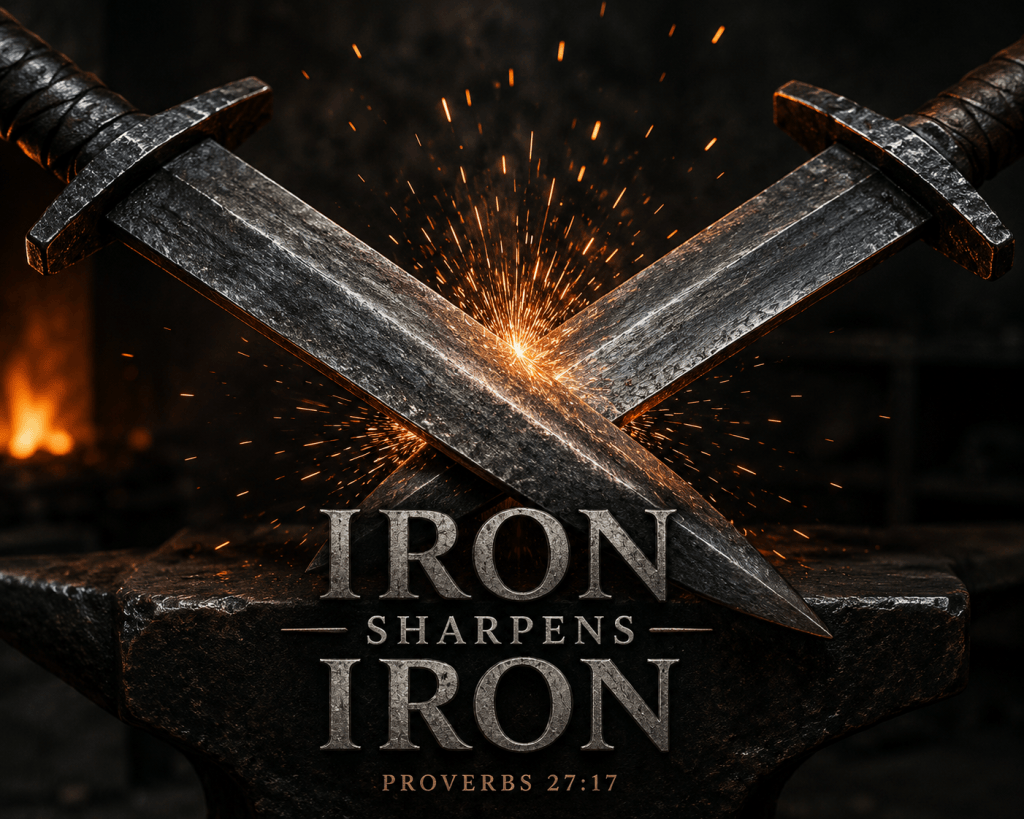
Leadership books fill bookstore shelves while podcasts feature today’s top executives. The conferences you attend project the latest leadership trends and breakthroughs. My favorite leadership resource remains one that has been around for thousands of years—the Book of Proverbs. I live Proverbs 27:17 daily and it helps me make a positive difference in the world.
The Book of Proverbs is much more than a collection of wise sayings. It is a practical guide to leading with integrity, wisdom, humility, and purpose. While technology, organizations, and workplaces have evolved dramatically, human nature has not. The workplace still brings difficult decisions, interpersonal conflicts, ethical dilemmas, and the responsibility of influencing others. The Book of Proverbs provides timeless principles that remain remarkably relevant even in today’s fast-paced world.
One of the greatest mistakes I see leaders make is believing they must always have immediate answers. The Book of Proverbs teaches a different approach.
- “The way of fools seems right to them, but the wise listen to advice.” (Proverbs 12:15)
My research shows that exceptional leaders are lifelong learners. They seek counsel, ask thoughtful questions, and welcome perspectives that challenge their own thinking. Wisdom is not found in having all the answers; it is found in being willing to learn before making decisions. Organizations become stronger when leaders embrace wisdom over ego.
Authentic leadership begins with consistency between words and actions. Staff members are inspired by leaders who demonstrate honesty, fairness, humility, and accountability. Skills may earn a promotion, but character earns trust. People rarely remember every decision a leader makes. They always remember how that leader made them feel and whether they could be trusted. Integrity becomes a leader’s greatest competitive advantage.
- “The integrity of the upright guides them.” (Proverbs 11:3)
I have found that most leaders believe leadership means talking. The Book of Proverbs reminds us that leadership often begins with listening. Listening communicates respect, uncovers hidden challenges and strengthens relationships. When team members know they are heard, engagement rises, trust grows, and collaboration becomes easier.
The most influential leaders are often the best listeners.
- “To answer before listening—that is folly and shame.” (Proverbs 18:13)
Success can quietly convince leaders they no longer need feedback. The Book of Proverbs warns against this mindset. Humility does not mean thinking less of yourself. It means recognizing that leadership is about serving others rather than elevating yourself. Humble leaders admit mistakes and they celebrate the success of others. These leaders continue learning long after reaching positions of influence. Fun fact, this is why I’m always reading something new to learn to enhance my leadership skills. This mindset creates organizations where continuous improvement becomes part of the culture.
- “Pride goes before destruction, a haughty spirit before a fall.” (Proverbs 16:18)
Leadership is displayed in the work environment one conversation at a time. All conversations leaders have either builds trust or weakens it. There’s no middle ground as far as I can see. Constructive feedback delivered with respect creates growth; encouragement fuels confidence and recognition increase motivation. Simple concept, huh? Leaders who choose their words carefully shape healthy workplace cultures.
- “A gentle answer turns away wrath.” (Proverbs 15:1)
The Book of Proverbs encourages leaders to pursue something greater than personal success. Leadership is about influence, service and leaving a legacy. I’m proud to say I’ve left every work environment better than when I arrived. That’s a huge part of my Authentic Leadership legacy. The greatest leaders understand that success is measured not only by profits or promotions but by the people they develop, the culture they create, and the lives they positively impact. Shoutout to everyone who brings this same level of leadership to their work environment. My tree branches have no choice; this is a requirement. 😊
Leadership trends will continue to change. New technologies will reshape industries. Organizational structures will evolve but the qualities that define exceptional leadership remain constant.
- Wisdom / Integrity / Humility / Patience / Compassion
These principles are as valuable today as they were thousands of years ago. Don’t overlook this timeless wisdom as you Walk into the Future. The Book of Proverbs reminds us that leadership is not about having power over people, it’s about having the wisdom to serve them well.
Reflection Questions
- Which proverb best describes your current leadership style?
- Where could wisdom replace impulse in your decision-making?
- How are your words shaping the culture around you?
- What legacy are you building through your leadership today?
I say leadership is not defined by your title but by your character, your influence, and your commitment to helping others become their best. Sometimes the most powerful leadership lessons aren’t new at all, they’re timeless.
Irie!
Calvin Williams
“The only true wisdom is knowing you know nothing.”
(Socrates)


Leave a comment